
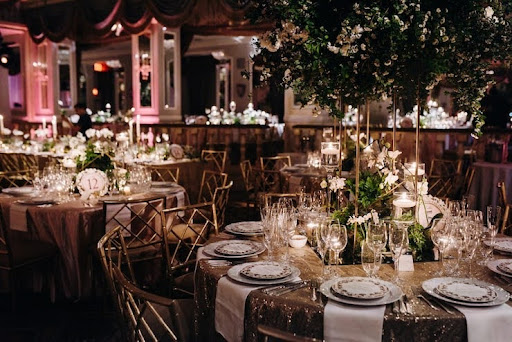
There’s probably a wedding in your memory you actually loved being at, not one you just showed up to out of obligation. Good event planning is usually the reason why, even if nobody at the table could explain it.
Funny thing is, the food rarely had anything to do with why that night stuck. Something quieter made the difference; the evening moved along without awkward gaps, or you genuinely not noticing the chaos backstage because none of it leaked through to where guests stood. Credit for that rarely goes anywhere visible. Years later, that’s still the night everyone brings up.
I’ve sat through more weddings, launches, and corporate dinners than anyone reasonably should. Lost count a long time back.
The same pattern keeps repeating, though. People are still talking about the gatherings with the deepest pockets behind them. Someone quietly in the background nailed the timing, read the room right, and caught a hundred small things nobody actively notices, but everyone somehow feels. That’s the part of event planning nobody talks about enough: the invisible work, not the visible budget.
Skip enough of those details, and even a gorgeous venue starts feeling flat by hour two.
Booking the Venue Is the Simple Part
Renting a hall and ordering catering can be done in one afternoon. That part’s never been the hard part.
The actual difficulty kicks in with vendors who won’t speak to each other, a bride flip-flopping three days out, and timelines that need constant bending without snapping. A delivery shows up late. Nobody checked the sound system. Just like that, the evening’s energy shifts before guest number one walks in.
That’s exactly why solid event planning gets treated as a real, learnable skill, not some checklist scribbled together the week before and hoped for the best.
What Most Hosts Forget to Notice
Lighting changes how a room feels more than people realize, honestly. You barely notice it’s there until it’s wrong and everything looks off.
Photos give it away first. They come back pale, washed out, harsh; that’s usually a lighting problem nobody caught beforehand. Sound matters just as much. A toast nobody can hear properly kills the energy in seconds. Temperature, how people move between spaces without bunching up near one doorway, small stuff like this quietly decides whether guests say “nice event” out of politeness or actually mean it.
When Hiring Help Starts Making Sense
Plenty of hosts try handling everything solo at first, since paying someone feels unnecessary when the budget’s already thin. Makes sense early on, honestly.
That works fine for something small. It stops working once guest counts pass fifty, vendors need real coordination, and the host ends up running operations instead of enjoying their own celebration. This is roughly where reaching out for proper event management services starts making sense not as an indulgence, but as the real gap between hosting an event and barely surviving one.
Good planners carry relationships built over years. Vendors who pick up the phone fast. Backup options ready for when plan A falls apart two days out. None of that gets built overnight, and trying to fake it under pressure rarely goes well.
Picking the Right Person for the Job
How someone communicates during the hiring stage tells you almost everything about how they’ll handle the actual day.
A planner asking detailed questions about the mood you actually want, not just headcount and a date, is doing real work from the very first conversation. Someone who nods along and promises perfection without asking much probably hasn’t been listening at all.
Ask how they handle things going sideways mid-event, because something always does. The gap between a quiet fix and a visible mess usually comes down to one thing. Whether someone is calmly sorting it out backstage while guests stay completely unaware.
Be Upfront About Money Early
Vague numbers lead to disappointment nearly every time. This is one place where vagueness rarely pays off.
Sharing your actual numbers, even the embarrassingly specific ones, helps a planner build something that genuinely fits instead of pitching ideas you’ll cut later. You won’t find a decent best event management company saying yes to every request just to land the job. They tell you straight what’s realistic, and that saves a real headache down the line.
Food, decor, and entertainment, figure out early which one matters most to you. Skip that talk, and you’ll probably overpay on something nobody cared about while shortchanging the things guests actually noticed.
Small Mistakes Add Up Fast
A misspelled name on a place card. A playlist is dragging right when energy is needed to build a photographer who missed the one moment everybody wanted captured.
Won’t sink a night, any one of these, alone. Stack three or four together, though, and guests walk away with a fuzzy feeling that something was off; they just can’t say what. Catching this stuff early is usually what separates polite compliments from real, unprompted praise weeks later.
The Real Takeaway on Event Planning
It’s not the money spent. Never really was. Good event planning was always about something quieter than budget size.
Whoever’s running the show needs to actually get pacing and mood the invisible things shaping a room without anyone knowing why. Nail it, and that night stays in memory for years. I miss it, and even a gorgeous venue with great food. Still leaves people with that nagging sense that something wasn’t quite right.
Also Read: Embroidery Digitizing Services : Turn Vector Art Into Stitches