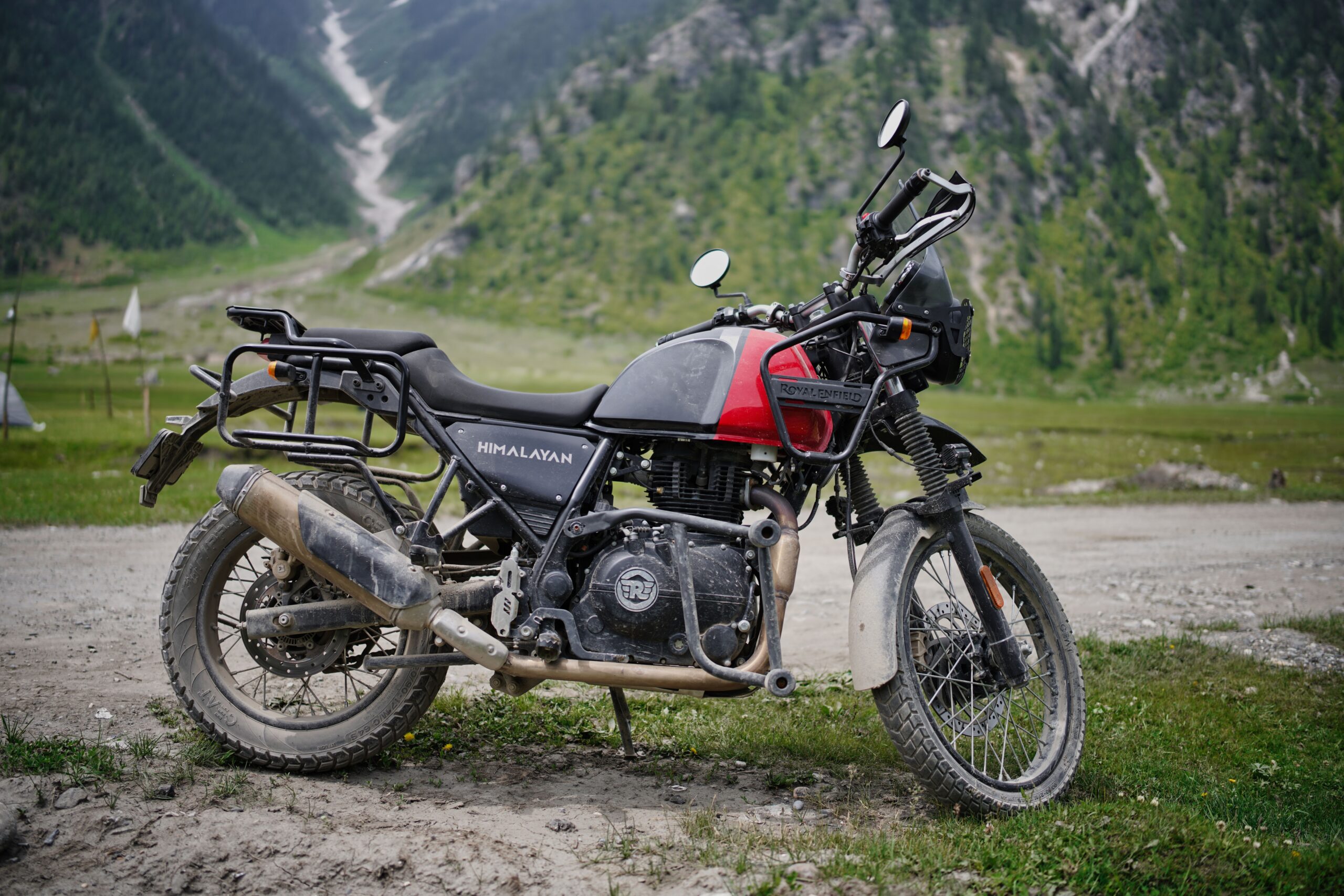
How Royal Enfield Himalayan and Royal Enfield Classic 350 serve different riders really matters because Indian riders don’t all use two wheelers in the same, sort of way. Some people want a dependable daily runabout, others want a stylish ride for college or office, and then some are mostly after comfort during longer city commutes. So when you compare royal enfield himalayan with royal enfield classic 350, the “better” pick ends up depending on your riding routine , not just a single headline feature.
The first thing you should check is the whole purpose of the vehicle. If it’s a daily commuter then it ought to feel easy in traffic, simple to park, and comfortable through repeated short rides, yknow. But if you’re after a more style focused or enthusiast friendly two wheeler, that one might feel more exciting, still it has to match your routes and your parking space, plus your pillion needs, and how your day to day schedule usually runs.
Comfort becomes another big deciding thing. Many riders kind of look at the style first, before they actually buy, yet after a few weeks they usually start paying attention to comfort, like it’s noticeable then. The way the seat feels, the riding stance or posture, the handlebar reach, where your feet land, and how simple it feels to control the two wheeler, matter much more when it is used pretty much every day. A brief test ride might not show everything, but it can still guide you, and help you figure out which option feels more natural.
Ownership expectations should be weighed too, sort of. Service network, maintenance routine, parts availability, and resale confidence, can quietly steer long-term satisfaction. In other words a two-wheeler that seems lively on day one should still feel balanced, after a year of use. This matters a lot for those buyers who rely on it for office commute or family errands, because the “wow” factor sometimes fades fast, and only practical comfort really stays.
Design preference matters, sure but it should not turn into the only reason to decide. Like, a younger rider might go for a sharper kind of look, while someone shopping for the family might choose a calmer more practical vibe or even a steadier personality, you know. Neither option is wrong, not really. The best choice is the one that actually matches how the rider lives, not just what looks good in the moment, or what sounds good.
royal enfield himalayan seems to have more appeal for riders who want one kind of daily rhythm, while royal enfield classic 350 may fit buyers with a different kind of expectation. instead of trying to figure out which one is better for everybody, it’s more useful to ask which one actually answers your everyday commute need with fewer compromises.
Budget planning is still kinda crucial even if nobody talks about prices. You really want to consider the whole ownership cycle, like the running cost, the periodic upkeep, the documentation part, and the extra accessories. And if you are thinking to finance the purchase, do the math for the monthly repayment first , then double-check that it doesn’t end up stretching your income too much.
A good way to figure this out is to make a quick checklist, like really simple. jot down your three main needs, for example comfort, city handling, family use, sporty feel, or even touring ability. then pick the two wheeler that fits the most important needs, not the one that just sounds nicer when you compare them, you know.
A buyer-first approach also means, you should avoid getting way too dependent on just one claim. Like don’t only ask what the model “offers”, but more like how it fits into your life and behaves there. Consider morning traffic, then later evening fatigue, the comfort of the pillion, how service visits go, and how effortless it is to use for small everyday chores. Those little, details end up shaping satisfaction more than many folks really expect.
A buyer-first approach also means, you should avoid getting way too dependent on just one claim. Like don’t only ask what the model “offers”, but more like how it fits into your life and behaves there. Consider morning traffic, then later evening fatigue, the comfort of the pillion, how service visits go, and how effortless it is to use for small everyday chores. Those little, details end up shaping satisfaction more than many folks really expect.
How to make the right decision
Start with the thing you actually do everyday, like your daily run around and such, then look at comfort, ownership ease , service access as well, and if you plan to finance the purchase also weigh repayment comfort. Really a two-wheeler works best when it fits your routine , not only when it shows up on your wish list.
FAQs
What should I check before choosing this two-wheeler?
Look at riding comfort, everyday practicality, service backing, what you’ll spend to own it, and, honestly, how the model matches your commute. A test ride can help you figure out if it feels right for your body type and for the route you actually take.
Is financing a good option for buying a two-wheeler?
Financing can be handy, if the EMI kind of fits your monthly budget. Take a look at the tenure, the interest rate, the total payback and any extra charges before you decide. Try to borrow only the amount you can comfortably repay, because if you stretch it too far later it gets rough, you know.