
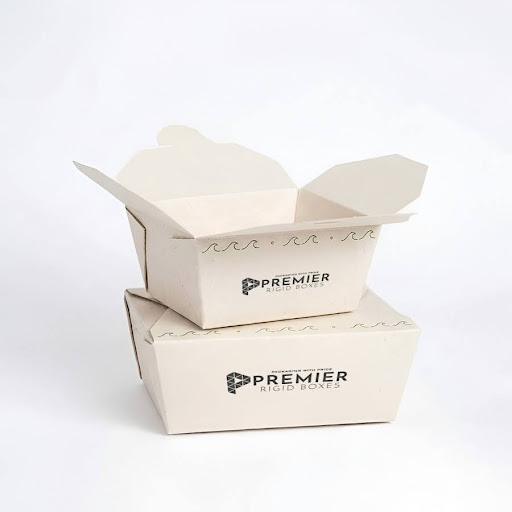
Go to any top dollar restaurant or gourmet food shop and you will see something before you even put your mouth to the plate: The package is different. It weighs more, the print is more crisp, there’s no wobbling lid and somehow it feels more like a brand that takes itself seriously. That’s not a coincidence. Packaging is doing a lot of work in the background for high-end food brands, and if it’s not done right, it can mar even the best cuisine.
When it comes to selecting packages to complement the quality of what’s intended to be served, these are the main factors for a high-end take-out, catering or specialty food operation.
Beginning With What High-end Really Means for Packaging.
It’s beneficial to develop a sense of what premium is going to look like for your brand before selecting materials or colours. Minimalism, clean lines, muted colors, and lots of negative space is the look for some businesses. Some people prefer richness, depth, foil finishes and tactile details such as a matte or emboss finish.
It is not a one-size-fits-all, but one universal rule: premium packaging should look like it’s on purpose. The difference between a box that was selected due to its low price, and a box that was selected because it fit the brand’s identity can be felt by the customer. That’s usually the first indicator of quality, before opening the package.
Materials can be more impactful than people realize.
Many brands place a significant emphasis on print design, but neglect to consider the message the paper carries. Any thin, flimsy cardboard that is used in a food item conveys the opposite message of luxury, regardless of the nice logo on it.
High-end products tend to be made from sturdier materials such as kraft board with higher GSM (grams per square meter) or rigid corrugated materials, which will function and look better. They have a better shape, food protection properties are enhanced during transport, and they simply feel more substantial in the hand. For any hot food, sauce or moisture-based product, waterproof coatings are essential. There’s nothing worse than a soggy bum or a leaking bag than a high quality impression.
The main rule for designing a functional website is that looks should not be sacrificed for functionality.
With the amount of food marketing on social media it’s easy to focus on looks in photos. However, if the packaging is top-of-the-line but it doesn’t work as well as it should, the customers will remember that, and probably more vividly than the good thing.
Consider the complete trip: Does the lid remain closed while the product is being delivered? Does the box stack well if someone orders more than one item? Will it fit in the microwave or oven, if the product is intended to be reheated? Does it require no utensils and/or no struggle that results in food being on anyone’s lap?
There are times when the high end customer expects more, not less, when it comes to convenience. A pretty box that is difficult to open just ruins the experience you’re going for.
Branding Details That Make a Difference
In premium brands, sometimes the subtler the better. Few, if any, things come across with the same level of confidence as a small embossed logo, accent color, or simple typeface. High-quality food brands also tend to stick to a small palette, usually one or two colours in addition to a neutral background colour, which often looks great in photos and feels classic and not “on-trend”.
Little details count, as well. Placing a wax seal sticker, ribbon tie or a printed thank you note inside the box can make a big difference to the customer and can cost only a small amount. These tidbits indicate that thought was put into the experience rather than just the food.
Sustainability is a Premium Signal
Interestingly, sustainable packaging has become synonymous with luxury brand instead of against it. Recyclable, compostable, or plant-based materials are also more thoughtfully perceived to be of higher quality, especially by customers who are already paying more for the superior quality.
Sustainability should be an integral part of your brand narrative: if it is, your packaging should communicate this without a need for a paragraph. It is often best to reinforce the message with a visible reminder such as information about composability on the paper, soy-based ink printing, or simple labeling of recycled paper.
Where Customization Comes In
After the material, functions and branding have been decided upon, customization is the final piece of the puzzle. This is when a brand’s identity truly becomes part of the packaging, whether it’s a logo being printed onto the box, a custom box shape that is tailored to a signature dish, or a one-of-a-kind opening style that makes this box stand out from the crowd.
Many high-end food companies collaborate with the custom takeout boxes wholesale, which enable them to produce a box with the proper dimensions, material and print finish, making it feel like it was specially created for their brand instead of being gathered from a store. This is sometimes easier to achieve than what business owners think, particularly when more suppliers are serving small, high-end brands instead of just large franchises.
For large orders, it is essential to test before committing to an order, as you may encounter issues later.
It’s a good idea to get a sample before ordering a large quantity and try it with your product. Put a meal together, wait a similar duration and then open it up. Does it still seem good? Has anything changed, leaked or been crushed? It’s easy for small problems in a sample box to become big problems when there are hundreds of orders.
Also, it’s a great idea to seek out a few regular customers during this testing phase! They are the ones that are likely to see things that internal teams do not see simply because they are experiencing the packaging as any other customer.
Final Thoughts
When selecting packaging for high ticket items, it’s not a case of following the trends or looking for the most costly materials available. It’s about ensuring that the customer’s order experience is consistent throughout, from the time the order is placed to the time it is opened, and that it lives up to their expectations for the price they paid. There is material, functionality, branding and sustainability, and together they make packaging more than an afterthought—it’s part of the brand that makes it memorable.